

Blog
Silver Authenticity: A Simple Test To Spot Fakes
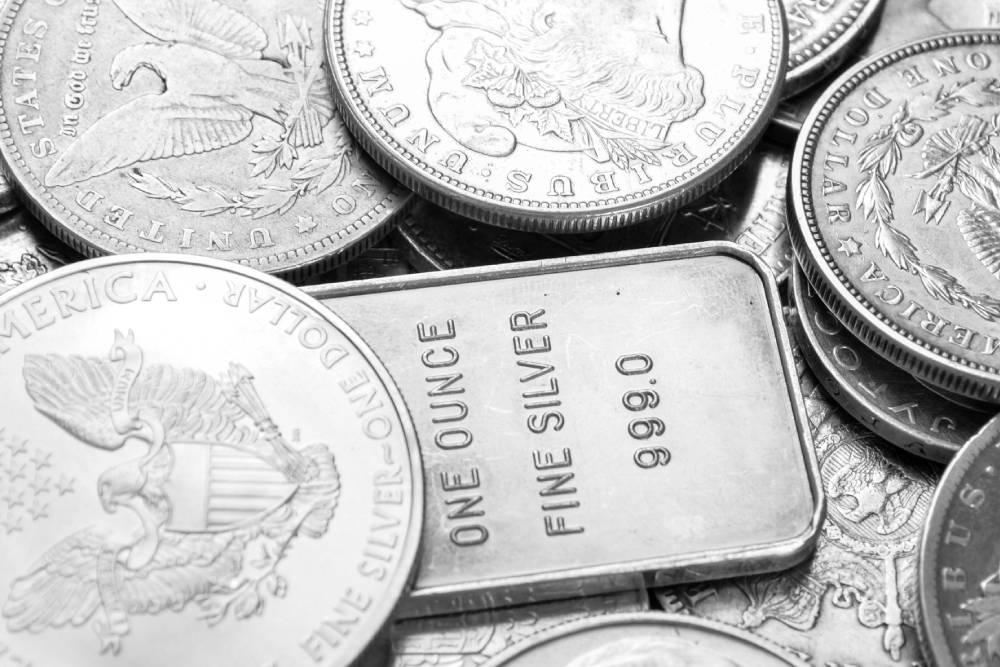
Silver holds long-term value for buyers and collectors, and confidence grows when you understand how to check a piece before you commit to a purchase. Many readers search for ways to test metals at home because they want clarity, and we guide them through practical steps that strengthen their judgment. Conversations with customers often include questions about surface markings, weight, and quick checks they can perform without damaging a coin or bar. Concerns about fake metals appear often, and a basic understanding of silver authenticity gives you a stronger foundation when reviewing your own items. We approach this topic with direct explanations that help you read physical clues with greater accuracy.
Why Authenticity Testing Matters Before Buying or Selling Silver
People enter the precious metals market with goals that range from starting a small investment to passing treasured items to family members, and each person wants confidence that the piece in front of them is genuine. Counterfeit products circulate online and at informal marketplaces, which leads to confusion and unnecessary stress for anyone who is new to silver. A clear understanding of surface markings, physical reactions, and weight consistency helps you avoid disappointment, and it brings structure to your evaluation process. Silver that matches known purity standards carries recognized value among investors and collectors, and learning how to read physical cues helps you gain more consistency when you review coins, bars, or jewelry.
Common Hallmarks and Visual Details That Help You Recognize Real Silver
Many silver items display hallmarks that reflect purity, and you may see numbers such as 925 or 999 along with country or mint marks. These markings are often found on the edge or underside of a piece, and they help you read purity without advanced tools. A genuine item shows sharp design details that align with known patterns for that specific coin or bar, and surfaces tend to hold a consistent shine that does not peel or flake off under normal handling. Coins or bars that show uneven plating or patches of discoloration at folded edges can signal the presence of base metals beneath a thin top layer. Taking time to compare a piece with reference images helps you develop an eye for small differences that influence value.
Simple At-Home Tests to Help You Spot Silver Authenticity
A quick way to begin your review is with a magnet test because genuine silver does not pull toward a strong magnet under normal conditions, and the magnet should move freely when passed near the surface. Silver also transfers heat quickly, so an ice cube placed on a coin or bar melts faster than ice resting on a material with lower conductivity. You can tap the item gently with another metal object to listen for a clear ring that holds for a moment, while fake pieces tend to sound dull. Checking known weight and dimensions adds support because genuine silver has consistent standards. These basic tests give you an early impression before you explore deeper methods.
Advanced Verification Methods That Strengthen Your Results
If you want deeper confirmation, you may explore density testing because silver carries a known specific gravity value that differs from common base metals, and measuring weight against water displacement highlights meaningful differences. Some readers apply acid testing with great care because a chemical drop reacts in specific ways on genuine silver surfaces, and the color change helps you read purity when handled correctly. These methods require a steady approach because minor surface reactions may appear, and evaluating the outcome works best when you understand how metals react. The combination of density measurement and careful acid testing guides you beyond surface inspection, and these steps give you a broader view of how an item compares with known standards. Our experience shows that using multiple methods together supports stronger decision-making.
Professional Support for Silver Testing, Authentication, and Your Next Steps
Our work with precious metals shows that readers gain stronger confidence once they understand how markings, weight, heat transfer, and acoustic responses guide an early review of silver authenticity, yet at-home checks do not replace laboratory-grade testing. We provide in-house authentication for coins, bars, and jewelry that need deeper examination, and our process includes professional testing methods that review purity with consistency and accuracy. You can bring in silver that requires confirmation before a sale, trade, or portfolio decision, and we will support your evaluation with equipment designed to read beyond surface clues. If your plans involve expanding your collection or converting older items into authenticated bullion products, we also help you upgrade, buy, or sell through services that center on expertise and supported verification. Our team gives you the clarity needed to make informed choices while protecting long-term value.
If you would like assistance verifying your silver or evaluating items before buying or selling, reach out to Hollywood Gold & Silver Exchange to schedule testing or an appraisal.


