
Blog
How to Sell Silver Coins in Los Angeles
Quick Summary
Silver coins may be valued based on silver content, current market price, condition, rarity, mint, year, and collector demand, depending on the coin. Dealer offers typically land below spot to account for resale demand, refining costs, and margins, and cleaning a coin can lower its value. An in-person appraisal lets you see how each coin is evaluated before you accept an offer.
If you’re looking to sell silver coins in Los Angeles, the process starts with understanding what makes your coins valuable. Weight, purity, and condition all affect your payout, and the dealer you choose matters as much as the coins themselves.
A little preparation before visiting a buyer helps you understand each offer and ask the right questions.
How to Sell Silver Coins in Los Angeles
A simple step-by-step process keeps things organized from start to finish.
- Identify your coins: Sort coins by type, year, and mint mark, noting bullion pieces, US coins minted before 1965, and anything that looks rare or graded.
- Don’t clean them: Cleaning can scratch surfaces and strip original toning, which can lower value on collectible pieces.
- Choose a reputable buyer: Look for an established dealer with transparent pricing, verifiable reviews, and staff who explain their evaluation process.
- Get an appraisal: A buyer weighs, measures, and tests each coin, then checks condition and collector characteristics where relevant.
- Review the offer: Ask how the number was reached, compare it with current spot pricing, and take your time before accepting.
What Determines the Value of Your Silver Coins
Every silver coin carries two sources of value: melt value and numismatic value. Melt value is based on the coin’s weight in pure silver, multiplied by the current spot price, while numismatic value applies to rare or collectible coins, where condition, mint year, and demand among collectors push the price above raw metal content.
Most of the coins sellers bring in, including common bullion pieces and older junk silver, sell primarily on melt value. Collectible or rare coins require a closer look, since a scratch, a low mintage year, or a graded condition can shift the number considerably. A dealer who takes the time to inspect your coins properly, instead of offering a flat rate on the spot, gives you a more accurate picture of what you are holding.
Spot Price Vs. What You’re Offered
Spot price is the current market price for one troy ounce of pure silver, and it serves as the starting point for dealer offers. Dealers generally cannot pay full spot on silver coins because the metal has to be resold, and several factors shape the final number:
- Resale demand: Coins with strong market demand, such as American Silver Eagles, tend to draw higher offers than pieces that move slowly.
- Condition: Heavy wear, damage, or cleaning can lower an offer, particularly on coins with collector interest.
- Product type: Bullion coins, junk silver, and foreign issues carry different resale values.
- Refining costs: Coins headed for melting carry refining and processing costs that factor into the offer.
- Dealer margins: A dealer needs a margin to cover operating costs and market risk between buying and reselling.
Offers on certain bullion or collectible coins can land near or above spot when resale demand is strong. Asking a buyer to explain how these factors apply to your coins helps you judge an offer fairly.
Common Types of Silver Coins People Sell
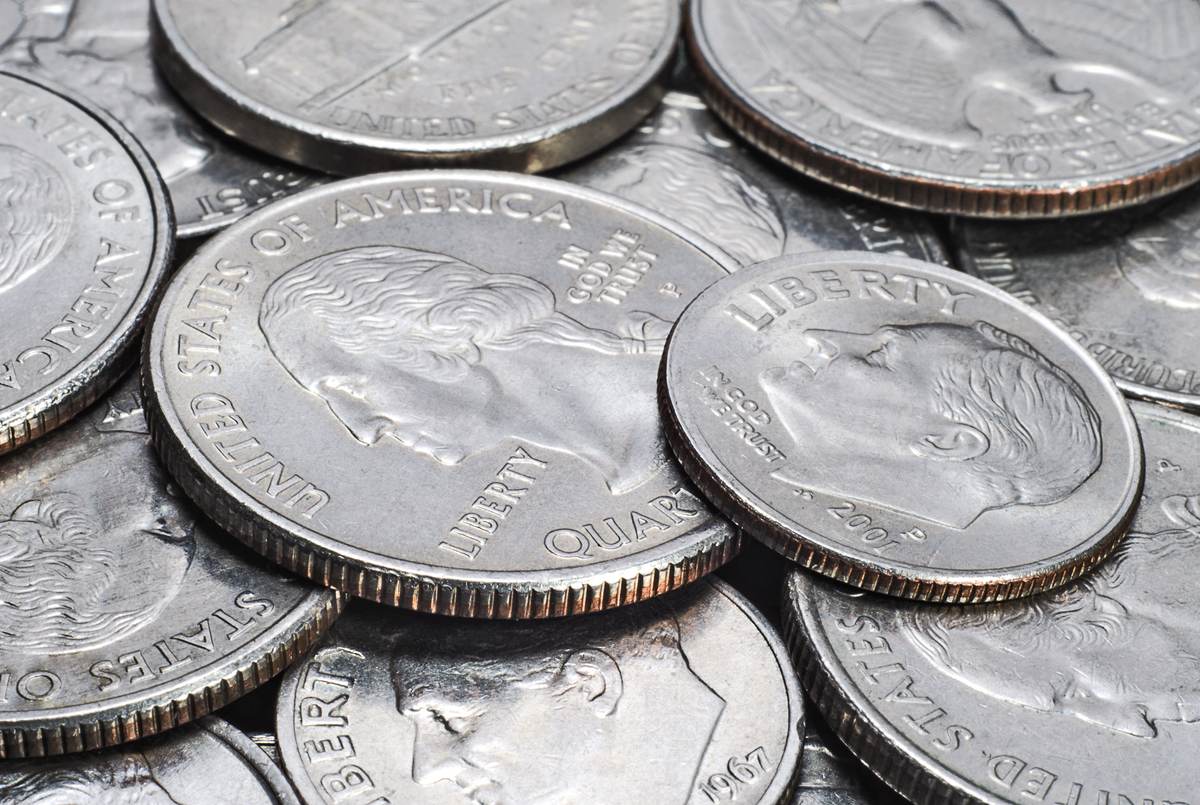
Los Angeles sellers bring in a wide range of silver, from pre-1965 US dimes and quarters, often called junk silver for their high silver content and low collector premium, through to modern bullion coins including American Silver Eagles and Canadian Maple Leafs. Foreign coins, commemorative issues, Morgan silver dollars, and inherited collections also come through regularly.
Coin categories sell differently. Junk silver value is often closely tied to its silver content, with market premiums varying over time, and bullion coins carry a small premium tied to brand recognition and liquidity. Older or foreign coins sometimes attract collector interest that a general buyer might miss, so working with a dealer with broad numismatic knowledge can be worth the extra conversation. Graded pieces, including certified silver coins, are evaluated on their grade as well as their metal content.
Avoiding Scams and Recognizing Fakes
Counterfeit silver circulates more than most sellers realize, and fake coins can pass a casual glance without issue. Weight, dimensions, and magnetic response offer quick clues, though a proper authenticity check goes further than what most people can confirm on their own kitchen table. Our advice on spotting fakes covers the warning signs worth knowing before you sell or buy.
Beyond counterfeits, sellers should watch for misleading pricing, hidden fees, pressure to decide quickly, or a buyer who refuses to explain an offer. A legitimate dealer explains pricing openly and gives you time to decide, so walk away from a buyer who avoids questions about their pricing method.
The Selling Process: What to Expect
Selling silver coins typically moves faster than people anticipate. Bring your coins to a reputable local buyer, where staff will weigh, inspect, and verify authenticity before presenting an offer tied to live spot pricing. Reputable dealers explain how they arrived at the number, and payment usually happens the same day, often in cash or by check.
Online buyers exist too, though shipping coins across the country introduces delays and risk that a local transaction avoids entirely. A face-to-face sale gives you immediate payment and the chance to ask questions before finalizing anything, and anyone weighing up how to “sell silver for cash near me” will find that speed is one of the clearest advantages of dealing in person.
This matters even more if your collection includes more than coins. Say you search for “sell precious metal near me” because you are sitting on gold jewelry or platinum alongside your silver. A dealer who buys across all four metals can appraise and pay out for the whole collection in one visit, rather than sending you to separate buyers for each piece.
Why Location Matters When You Sell
Los Angeles hosts a competitive precious metals market, which works in a seller’s favor. Multiple dealers competing for business means pricing tends to stay close to fair market value, and sellers have the option to shop offers rather than settle for the first number given. Anyone who wants to sell silver in Los Angeles benefits from that competition, provided they choose a dealer with a transparent, established reputation rather than the lowest-effort option nearby.
Proximity also matters for repeat sellers. Building a relationship with one trusted buyer means faster transactions down the line, since staff already know your selling history and can move through the verification process more quickly on future visits.
What to Bring When You Sell
Hollywood Gold & Silver Exchange asks sellers to bring [confirm HGSE’s ID policy, e.g., a valid government-issued photo ID] when selling precious metals. Bringing coins in their original packaging or holders, where you still have them, helps a dealer assess condition quickly, though loose coins are accepted without issue.
If you are selling a larger collection, a rough inventory list speeds up the appraisal process, though it is far from required. Staff at an experienced exchange can sort, weigh, and price a mixed collection efficiently regardless of how it arrives.
Selling and Buying Go Hand in Hand
Sellers often walk away with cash they plan to reinvest elsewhere in precious metals. Plenty of them search for “buy silver near me” the same week they cash out an old collection, ready to put that money into fresh bullion, while others look for “buy gold near me” instead and use the sale as a chance to diversify into a second metal for the first time.
Either way, the dealer relationship you built while selling makes that next purchase simpler, because familiarity with your goals and history speeds up every future transaction, whether you are buying or selling.
Hollywood Gold & Silver Exchange: Making the Decision Easy
Our selling process centers on one goal: making the decision to sell as clear as possible. We weigh and inspect coins in front of you, tie offers directly to live spot pricing, and answer questions directly. Direct relationships with mints and distributors give our staff deep product knowledge, and we carefully evaluate coins for characteristics that may affect their value beyond silver content.
Choosing where to sell should not require guesswork or a leap of faith. Our BBB accreditation and more than a decade of buying and selling precious metals in Los Angeles give sellers a clear path from walking in the door to walking out with payment in hand. We give a single coin and a full collection the same attention, and we explain exactly what you are being offered and why.
Bring your coins to the counter for a free appraisal with no obligation to trade, or touch base with us first if the collection is a large one. We will weigh and inspect everything in front of you, explain exactly how the offer was reached, and pay you the same day once you accept it.
Frequently Asked Questions
No. Cleaning can actually reduce the value of collectible coins by damaging their surface. Bring the coins as-is, and let a professional assess their condition.
Most in-person transactions at a local dealer are completed the same day, with payment issued immediately after the offer is accepted.
Yes. While documentation can help establish provenance for rare pieces, we can evaluate and purchase most silver coins based on their physical characteristics alone, along with valid photo identification from the seller.
Yes. Alongside coins and bars, we buy gold and silver jewelry, and sterling pieces are assessed on weight and fineness in much the same way. Bringing everything you are considering selling in one visit saves a second trip, since a piece dismissed as scrap is often worth more than expected.
Worth starts with a coin’s silver weight and purity multiplied by the current spot price, which sets a baseline melt value. Rarity, condition, mint year, and collector demand can add value on certain coins, and bullion premiums vary with market conditions.


