

Blog
Gold Vs. Silver For Investment: Which Precious Metal Is Better?
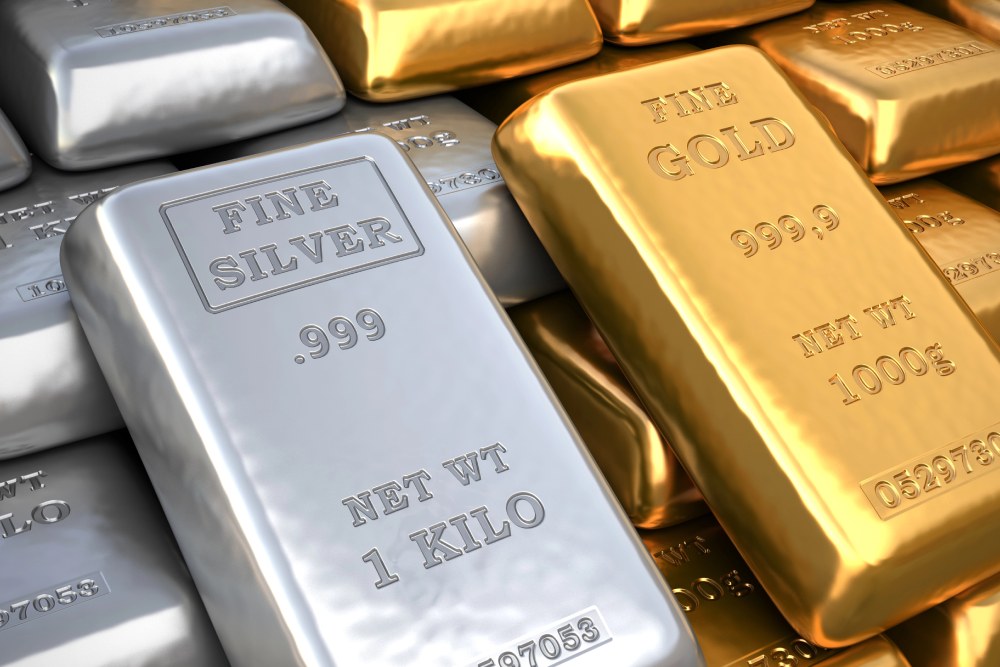
Few investment decisions spark as much debate as gold vs silver. Both metals have survived wars, inflation cycles, market crashes, and changing monetary systems. Both continue to attract investors looking for something tangible in a world dominated by digital assets and paper promises. Still, despite their shared reputation, gold and silver play very different roles once real-world conditions come into focus.
At Hollywood Gold & Silver Exchange, conversations around precious metals usually begin with intent. Some investors want insulation from inflation; meanwhile, others want exposure to global growth. Many want a balance between preservation and opportunity. Understanding how gold and silver behave across economic environments allows those goals to guide the decision instead of emotion or headlines.
Gold Vs Silver: A Foundational Comparison
Gold and silver often move in the same general direction, though the reasons behind their price changes differ. Gold functions primarily as a monetary asset. Central banks hold it, governments value it, and investors treat it as a safeguard against currency risk and systemic uncertainty.
Silver operates as both a precious metal and an industrial material. More than half of annual silver demand comes from manufacturing, technology, renewable energy, and medical applications.
Industrial exposure connects silver more closely to global economic growth. Expansion in manufacturing and technology often drives silver demand higher. Economic contraction can slow that demand just as quickly. Meanwhile, gold responds more directly to inflation expectations, interest rate policy, and global risk sentiment.
Investors comparing the two often discover that gold offers insulation from economic cycles, whereas silver reacts to them. This difference influences price movement, portfolio behavior, and emotional tolerance during market swings. It is often seen as a long-term anchor for those wanting to buy gold as a physical asset.
Volatility and Price Movement
On any given trading day, silver may experience price swings two or three times greater than gold. Silver price volatility consistently exceeds gold price volatility. This trait attracts traders seeking opportunities, though it can challenge investors who manage risk over longer horizons.
The gold price tends to move more steadily. Gold still responds to inflation data, currency fluctuations, and central bank signals, yet its historical role as a monetary reserve tempers sudden price shocks. Investors often describe gold as more predictable during periods of stress.
Both metals often rise during economic uncertainty, though silver may lag during early stages of turmoil due to reduced industrial demand. Gold often responds earlier as investors reposition toward perceived safety.
Economic Sensitivity and Industrial Demand
Smartphones, solar panels, electric vehicles, automotive systems, and medical equipment all rely on silver. Silver’s industrial footprint defines much of its market behavior. When production increases, silver demand often follows. When factories slow, demand can soften.
Gold’s demand profile looks very different. Jewelry and investment account for most usage. Industrial demand plays a minimal role. It’s a distinction that allows gold to retain value during recessions and financial disruptions when industrial metals struggle.
This contrast matters for investors building portfolios around economic outlooks. Optimism around global growth may favor silver. Concern about inflation, debt, or currency stability often draws attention to gold.
Accessibility and Entry Point
Silver trades at a far lower price per ounce than gold, which opens the door to broader participation. New investors often gravitate toward silver because smaller denominations feel accessible. Incremental accumulation becomes easier without committing significant capital upfront.
Gold concentrates value more efficiently. One ounce of gold carries far more purchasing power than one ounce of silver. This is because storage and transport require less space, which appeals to investors prioritizing efficiency and discretion.
It’s a good reminder that accessibility doesn’t always equate to superiority. Budget, storage capacity, and long-term goals affect which metal fits best at any given time.
Liquidity and Ease of Selling
Both gold and silver rank among the most liquid physical assets in the world. Dealers, coin shops, jewelers, and online platforms transact both metals daily. Gold typically moves faster during resale due to universal recognition and consistent pricing across global markets.
Silver liquidity remains strong, though larger physical quantities may require more handling and logistics. High-volume silver sales can involve more weight, more storage considerations, and more planning.
From a practical standpoint, gold often feels closer to currency. Silver behaves more like a hybrid between a commodity and a monetary metal. Investors rarely struggle to sell either, though gold transactions often feel simpler.
Storage, Transport, and Ownership
Physical ownership introduces responsibilities that paper assets avoid. Gold excels in this area. High value density allows significant wealth storage within a small footprint. Gold resists corrosion and degradation, which simplifies long-term preservation.
Silver ownership requires more space and organization. Bulk adds weight and volume, which affects transport and storage planning. Insurance costs may increase as holdings grow. These considerations do not diminish silver’s value, though they influence ownership strategy.
Investors who enjoy tangible accumulation often appreciate silver’s physical presence. Those prioritizing compact storage often prefer gold.
Premiums, Markups, and Pricing Structure
Precious metals trade above spot price due to fabrication, distribution, and operational costs. Silver often carries higher percentage premiums on smaller purchases because production costs represent a larger portion of the total price. Gold premiums often scale more favorably with purchase size.
Budget plays a key role here as smaller allocations often align well with silver. Larger allocations frequently favor gold due to tighter pricing spreads relative to value. Market conditions can influence this balance, though the underlying structure remains consistent.
Investors seeking diversification may choose to buy silver later in their strategy to balance gold holdings and introduce growth potential tied to industrial demand.
Investment Vehicles Beyond Physical Metals
Physical ownership remains popular for many, though it is not the only way to gain exposure. Exchange-traded funds allow investors to track metal prices without handling storage. Mining stocks and funds introduce exposure to company performance, operational risk, and broader equity market factors.
Physical metals retain unique appeal due to direct ownership, independence from financial intermediaries, and historical permanence. Many investors value that control, especially during periods of financial instability.
Choosing Between Gold and Silver
Gold and silver serve different purposes. Gold favors stability, preservation, and long-term protection against currency risk. Silver introduces opportunities tied to growth, technology, and economic expansion.
No single metal fits every investor at all times. Understanding the strengths and limitations of each metal allows investors to make deliberate choices.
Turning Insight Into a Thoughtful Metals Strategy
Precious metals investing works best when decisions reflect purpose rather than pressure. Gold and silver both offer value when chosen with context and understanding. At Hollywood Gold & Silver Exchange, we focus on education, transparency, and real-market experience to help investors make those choices with perspective.
Need guidance tailored to your goals and questions? Connect with our team and explore how precious metals can play a meaningful role in your long-term strategy.


