


Blog
24K Vs. 18K Gold: Which Works Better For Investment?
Quick Summary
When comparing 24K and 18K gold for investment, purity is often the deciding factor. Twenty-four karat gold contains nearly pure gold and is commonly used for bullion bars and coins, making it a popular choice for investors seeking direct exposure to gold prices. Eighteen karat gold offers greater durability and is widely used in fine jewelry, though its value is influenced by factors beyond gold content alone. The best option depends on your goals, with 24K gold generally favored for investment and 18K gold appealing to those who want both precious metal value and wearable luxury.
When comparing 24K vs. 18K gold, many investors focus on one question: which option offers better value over time? Gold has long been viewed as a reliable store of wealth, but not all gold products are created equal. The purity of gold plays a major role in its investment potential, resale value, and practical use.
Understanding the differences between these two gold types can help buyers make informed decisions. While both contain genuine gold, their composition and purpose differ significantly.
Understanding Gold Purity
Gold purity is measured in karats. The higher the karat, the greater the percentage of pure gold within the item.
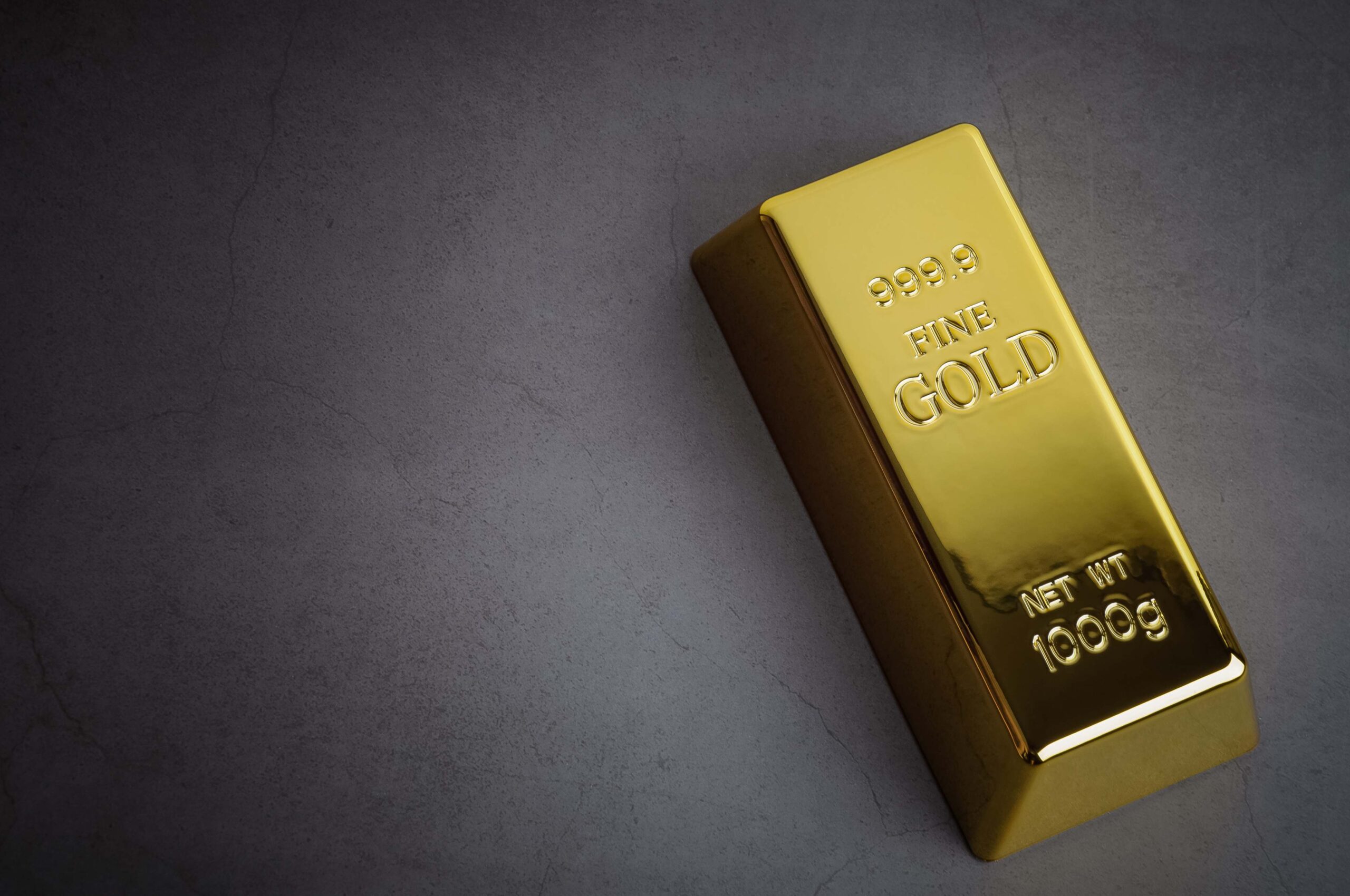
Twenty-four karat gold contains approximately 99.9% pure gold. It is the highest purity commonly available on the market. Because of its purity, it has a bright yellow appearance and is widely used for investment-grade bars and coins.
Eighteen karat gold contains 75% pure gold. The remaining 25% consists of alloy metals such as silver, copper, nickel, or palladium. These additional metals increase durability while slightly reducing overall gold content.
This distinction is important because investment performance often depends on the amount of pure gold contained within the asset.
Why Many Investors Prefer 24K Gold
For investment purposes, purity is often one of the first factors buyers consider. Since 24K gold contains almost no alloy metals, its value is tied closely to the current market price of gold.
Gold bars and bullion coins are typically manufactured in 24K purity. Investors favor these products because they offer straightforward pricing based on weight and purity.
Another advantage is global recognition. Pure gold bullion is accepted and traded around the world. This can make future resale transactions easier, especially when dealing with established dealers and precious metals markets.
Many investors view 24K gold as a direct way to gain exposure to gold prices without additional factors influencing value.
Where 18K Gold Fits Into The Picture
Although 18K gold contains less pure gold, it remains highly desirable for fine jewelry. The added alloys create a stronger material that withstands daily wear better than pure gold.
Because of its durability, 18K gold is commonly used in engagement rings, necklaces, bracelets, and luxury watches. It offers a balance between beauty and practicality.
From an investment standpoint, however, the value of 18K gold can be more complicated. Buyers are not only paying for gold content but also craftsmanship, design, brand reputation, and gemstones when applicable.
These factors can influence resale value in ways that differ from traditional bullion investments.
Liquidity And Resale Considerations
One of the biggest advantages of investment-grade bullion is liquidity. Gold bars and coins are easy to evaluate because their purity and weight are clearly stated.
When selling 24K bullion, the process is generally straightforward. Dealers can quickly determine value based on the current spot price of gold and the product’s specifications.
Jewelry made from 18K gold often requires additional evaluation. Factors such as condition, design, manufacturer, and market demand may affect pricing.
While quality jewelry can retain substantial value, it does not always track gold prices as directly as bullion products.
Storage And Durability Differences
Pure gold is naturally soft. A 24K gold item can scratch or dent more easily than lower-karat alternatives. This is one reason most investors store bullion securely rather than handling it frequently.
Eighteen karat gold offers greater resistance to everyday wear. Jewelry owners often appreciate this durability because pieces maintain their appearance over time.
For investors purchasing gold strictly as a financial asset, durability is generally less important than purity. Since bullion is usually stored rather than worn, softness becomes a smaller concern.
Which Option Offers Better Long-Term Investment Potential?
For individuals focused primarily on preserving wealth and tracking the value of gold, 24K gold often stands out as the stronger choice. Its high purity allows investors to maximize their exposure to gold’s market value.
That does not mean 18K gold lacks value. Fine jewelry can serve as both a luxury item and a precious metal asset. Some buyers appreciate owning pieces that combine beauty, craftsmanship, and intrinsic value.
The right choice depends on the buyer’s objectives. Someone seeking investment-focused products may lean toward bullion bars and coins. Someone interested in wearable assets may find greater appeal in high-quality 18K jewelry.
Choosing The RIght Gold For Your Goals
Gold ownership is not a one-size-fits-all decision. Buyers should consider their priorities before making a purchase. Purity, liquidity, storage, and intended use all play a role in determining which option makes the most sense.
At Hollywood Gold & Silver Exchange, we help customers navigate the precious metals market with confidence. Our team offers a wide selection of gold, silver, platinum, and palladium products, along with jewelry buying services, appraisals, repairs, and custom orders. Through our direct relationships with mints and distributors, we offer access to quality precious metals products backed by years of industry knowledge.
For investors interested in bullion or individuals exploring gold ownership for the first time, taking the time to understand purity levels can lead to smarter purchasing decisions and greater confidence in the long run.
FAQs
Not necessarily. For investors focused on gold purity and market value, 24K gold is often preferred because it contains nearly pure gold. However, 18K gold can still hold value, particularly in high-quality jewelry that combines precious metal content with craftsmanship.
Twenty-four karat gold is widely used for bullion products because of its high purity level. Investors often choose gold bars and coins since their value closely reflects the current price of gold and they are recognized in markets around the world.
Yes. Eighteen karat gold jewelry contains 75% pure gold and can retain significant value over time. Its resale price may depend on factors such as gold content, condition, design, brand, and market demand, making it different from investment-grade bullion.


