


Blog
What Influences Gold Price? 10 Key Factors Every Investor Should Know
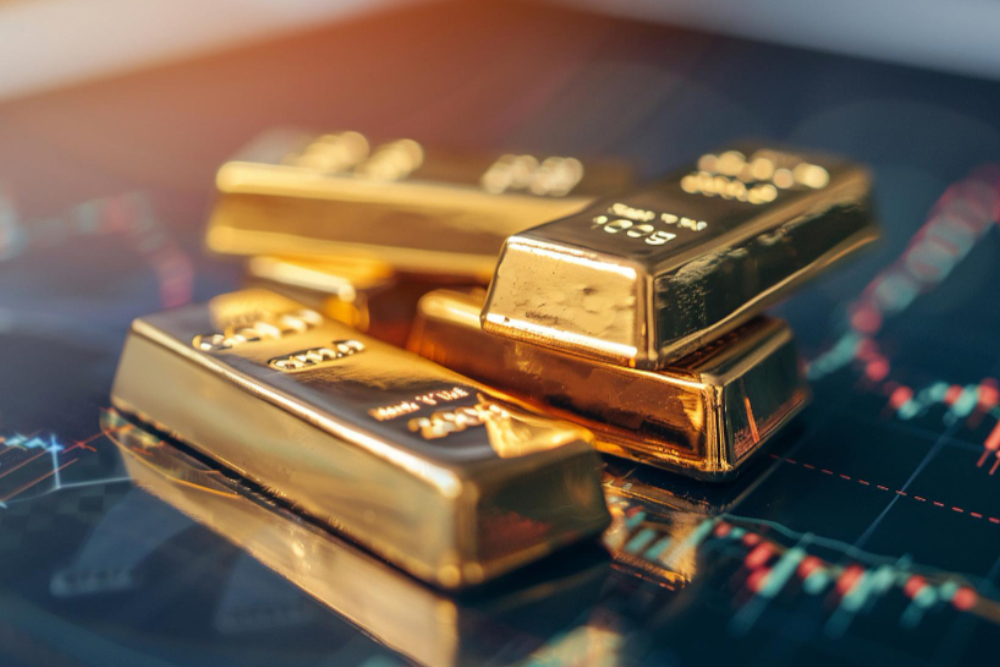
Gold has fascinated people for thousands of years, and its value has always been a reflection of the world around it. From ancient civilizations using it as currency to modern investors treating it as a financial anchor, gold has always mirrored economic confidence, political stability, and human behavior.
At Hollywood Gold and Silver Exchange, we work with gold daily, and one question comes up more often than any other: what influences the gold price? Gold pricing is the result of several interconnected forces, and understanding them helps investors make more informed decisions.
What Influences Gold Price? A Look at the Core Drivers
Before getting into the full list, it’s worth noting that gold pricing is largely a sentiment-driven market. People buy gold when they are worried and sell it to us when they feel secure. The factors below reflect just how much economic, political, and industrial conditions influence that sentiment.
- Global Crises and Geopolitical Instability
Gold’s reputation as a crisis commodity is well-earned. When war breaks out, governments collapse, or political tension escalates, investors rush toward gold. It happened during the Russia-Ukraine conflict and during numerous other flashpoints throughout history. Political chaos tends to send gold prices soaring quickly.
- Inflation
Inflation is one of the most frequently cited reasons people turn to gold. As the purchasing power of paper currency declines, gold tends to hold its real-world value more steadily. Investors who believe their currency is losing ground often turn to buy gold as a long-term store of value. Its increased demand tends to push prices higher.
- The Strength of the U.S. Dollar
Gold is primarily priced in U.S. dollars, so the two have a well-established inverse relationship. When the dollar strengthens, gold becomes more expensive for buyers using other currencies. In turn, it dampens demand and lowers prices.
When the dollar weakens, gold becomes more accessible globally, demand rises, and prices follow. Watching the dollar index is one of the most reliable ways to anticipate short-term movements in gold prices.
- Central Bank Policy and Reserves
Central banks around the world hold significant gold reserves alongside their paper currency holdings. When major central banks (like the Federal Reserve, the European Central Bank, or the Bank of Japan) begin increasing their gold holdings, it signals to the market that gold is a preferred store of value.
It also tightens the available supply, which pushes prices up. Bank failures or unsteady monetary policies have a similar effect, driving more interest in gold as a safe harbor.
- Interest Rates
Gold doesn’t pay interest or dividends. When interest rates are high, investors can earn meaningful returns from bonds or savings accounts, making gold less attractive by comparison.
As interest rates fall, the opportunity cost of holding gold declines, making it a more appealing option. Historically, low-interest-rate environments have correlated with rising gold prices.
- Quantitative Easing
When a central bank floods the economy with money by purchasing securities, it expands the money supply. This tends to push interest rates down and can trigger inflation over time.
Both outcomes make gold bars and gold coins more attractive to investors looking to preserve wealth. Quantitative easing signals that the value of paper money may be diluted, and gold tends to respond accordingly.
- Supply Dynamics and Mining Costs
Gold is a finite resource, and the easily accessible deposits have largely been mined. As extraction becomes more expensive and technically demanding, production costs rise, which are reflected in gold’s market price.
Approximately 2,500 metric tons of gold are mined annually, a modest figure compared to the roughly 165,000 metric tons already in circulation worldwide. When mining costs climb, the floor on gold pricing tends to rise with them.
- Jewelry and Industrial Demand
Here’s where several different demand channels come together. Gold demand breaks down into a few key segments worth knowing:
- Jewelry: The jewelry sector has historically accounted for over half of annual gold demand. Countries like India, China, and the United States drive enormous consumption. In parts of India, gold remains a cultural store of wealth passed across generations.
- Technology and Electronics: Gold’s conductivity and corrosion resistance make it a must in everything from smartphones and computers to GPS devices and medical equipment. Industrial demand accounts for roughly 12% of total gold consumption.
- Investment Products: Coins, bars, and exchange-traded funds make up a substantial and growing share of demand, particularly during periods of market uncertainty.
When demand across these segments rises simultaneously, the pressure on gold prices is significant.
- Investor Sentiment and Market Behavior
Investor psychology plays a larger role in gold pricing than many people realize. When stock markets look shaky, when recession fears surface, or when uncertainty hangs over financial markets, money moves into gold.
Large-scale investment vehicles like gold ETFs (some holding over 1,000 metric tons of the metal) now represent a major share of global gold demand. Collective investor behavior can trigger meaningful price movements in a short time.
- Government Reserve Activity
When governments and central banks accumulate gold in greater quantities than they sell, supply tightens, and prices rise. Several major economies hold large portions of their reserves in gold.
In recent years, central banks in Russia, China, Turkey, and India have aggressively added to their gold reserves. This activity sends a clear signal to markets: gold is a trusted long-term asset.
Gold Pricing Is Never Just One Number
Understanding what influences gold price means recognizing that no single factor controls the market. Inflation, geopolitics, central bank decisions, mining output, industrial consumption, and investor behavior all feed into the same ecosystem. Gold prices can move dramatically when multiple pressures align.
Examples include rising inflation alongside falling interest rates and geopolitical tension. Gold has retained its value across centuries precisely because it sits at the intersection of so many global forces.
Frequently Asked Questions
What influences gold prices the most?
Global crises, inflation, interest rates, and the strength of the U.S. dollar are among the biggest drivers of gold prices.
Why does gold rise during economic uncertainty?
Because investors turn to gold as a safe-haven asset when markets or political conditions become unstable.
Does inflation always increase gold prices?
Generally yes, because gold helps preserve purchasing power when currency value declines.
How do interest rates affect gold prices?
Higher interest rates can reduce gold demand, while lower rates usually make gold more attractive.
Does the U.S. dollar impact gold prices?
Yes, gold typically moves inversely to the dollar, when the dollar weakens, gold prices often rise.
If you’re looking to learn more about gold, our team at Hollywood Gold & Silver Exchange is here to help. Reach out to us today, and let’s talk about what the market looks like right now.


