


Blog
Palladium Vs. Platinum Investment: Which Is Better In Today’s Market?
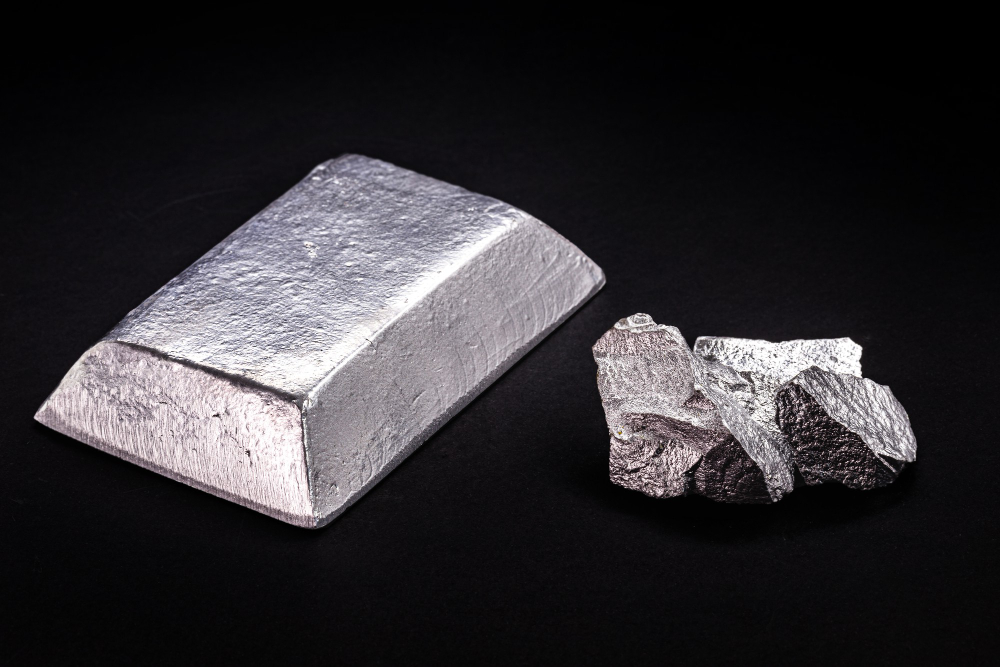
Few conversations in the precious metals world spark as much debate as the debate over palladium vs. platinum investments. Both metals sit in the same periodic family, and It has an established presence in both bullion and jewelry, which makes it easier to buy, sell, and value over time.both have a long track record of attracting serious investors. Yet underneath all those similarities, the two metals behave very differently.
Through our precious metals services, we work with investors across the spectrum, from first time buyers to seasoned collectors building multi metal portfolios. One question we hear consistently: “Should I go with platinum or palladium?” The honest answer is that it depends on what you’re after. Here’s a breakdown of both metals to help you figure that out.
Palladium Vs. Platinum Investment: Understanding What You’re Buying
Before comparing price charts and market trends, it helps to understand what makes each metal unique.
Platinum has a longer history than the other. It was first documented around 1735, and indigenous communities in South America were using it long before European discovery. Today, platinum is prized for its malleability and density. These properties make it a preferred choice in fine jewelry, surgical instruments, and catalytic converter production, and we offer jewelry repair and cleaning for fine pieces.
Palladium was discovered in 1803 by English chemist William Hyde Wollaston, isolated from platinum ore. Harder than platinum but less dense, palladium plays a dominant role in catalytic converters for gasoline-powered vehicles. In fact, over 80% of global palladium demand in 2025 is driven by the automotive sector. Unlike platinum, palladium has very little diversification in its demand base; it’s almost entirely an industrial metal.
The Industrial Connection You Can’t Ignore
Both metals live and die by what happens in the auto industry, but the degree of dependency is very different.
Platinum has a broader demand. Jewelry accounts for a significant share of annual consumption, alongside medical, dental, and industrial uses. This diversification gives platinum a degree of price stability that palladium simply doesn’t have. When one sector slows down, demand from other industries helps absorb the shock.
Palladium is far more exposed. With more than 80% of demand tied to one industry, palladium is heavily exposed to shifts in automotive production. Any slowdown in manufacturing or acceleration in the electric vehicle transition can have a direct and significant impact on its demand.
Electric vehicles use significantly less platinum and palladium than traditional combustion engines. As EV adoption continues to grow, the long-term demand outlook for both metals becomes less predictable and more dependent on shifts in the automotive industry.
Price Behavior and Market Volatility
This is where the two metals diverge most noticeably.
Palladium has historically been the more volatile of the two. Its price shot past $3,440 per troy ounce in 2022 after Russia’s invasion of Ukraine raised alarms about global supply chains. Russia is one of the world’s largest palladium producers. Any disruption to its output reverberates through the market almost immediately.
South Africa is the other major producer, so palladium supply is concentrated in just two countries. This concentration introduces ongoing geopolitical risk that directly affects market stability.
A few other price-related points worth noting:
- Palladium consistently trades at a higher premium over the spot price than platinum, driven by its scarcity and limited supply.
- Platinum coins and bars are more widely produced, making them easier to buy and resell across most markets.
- Palladium products have become more available in recent years, but they’re still considerably harder to source than platinum equivalents.
- Platinum premiums tend to be lower, making it a more accessible entry point for investors with tighter budgets.
What Kind of Investor Are You?
This question cuts to the heart of the palladium vs platinum investment debate.
If you’re looking for something with a longer track record, wider recognition, and stronger liquidity across markets, platinum is the more straightforward choice. It has an established presence in both bullion and jewelry, which makes it easier to buy, sell to our team, and value over time. It’s well understood, broadly available, and recognized by dealers and collectors alike. When the time comes to sell, finding a buyer is considerably easier.
Palladium appeals to a different kind of investor. It tends to attract those who are comfortable with higher risk in exchange for the potential for sharper price movements. The metal’s rarity, concentrated production, and dominant industrial role create conditions in which supply disruptions can send prices surging quickly. Investors who bought palladium ahead of the 2022 spike saw extraordinary returns in a short window.
Of course, volatility works both ways. The same conditions that drove palladium above $3,000 have since pulled it back significantly, which is a reality any palladium investor needs to factor in.
The Case for Owning Both
There’s a third path that many of our clients take: owning both.
Diversification is one of the oldest principles of investing. It applies just as much within the precious metals category as across asset classes. Platinum and palladium complement each other well, as each brings distinct strengths. Platinum offers relative stability and market depth, while palladium provides rarity and upside potential tied to specific industrial and geopolitical dynamics.
A portfolio that includes both gives you exposure to different supply chains, different demand curves, and different risk profiles. Neither metal is a substitute for the other. Together, they can round out a precious metals strategy that would otherwise lean too heavily on gold and silver alone.
Make an Informed Move With the Right Guidance
The palladium vs platinum investment question doesn’t have a single right answer. Anyone who tells you otherwise is oversimplifying. Both metals have a legitimate place in a well-structured portfolio. The decision comes down to your goals, your risk tolerance, and how much volatility you’re prepared to manage over time.
At Hollywood Gold & Silver Exchange, we’ve spent years helping investors understand these nuances before they commit their capital. We’re here to make sure you understand what you’re buying and why.
Frequently Asked Questions
What is the main difference between palladium and platinum for investors?
Platinum is more widely used and stable, while palladium is more volatile and driven heavily by automotive demand.
Which metal is better for long-term investment, platinum or palladium?
Platinum is generally preferred for long-term stability and liquidity in the market.
Why is palladium more volatile than platinum?
Because its supply is concentrated in fewer countries and demand is heavily tied to the automotive industry.
Does platinum have more investment demand than palladium?
Yes, platinum has broader demand across jewelry, industrial, and investment markets.
Can I invest in both platinum and palladium together?
Yes, many investors combine both to balance stability with higher-risk growth potential.
If you have questions about either metal or want to talk through what makes sense for your situation, reach out to our team today.


